
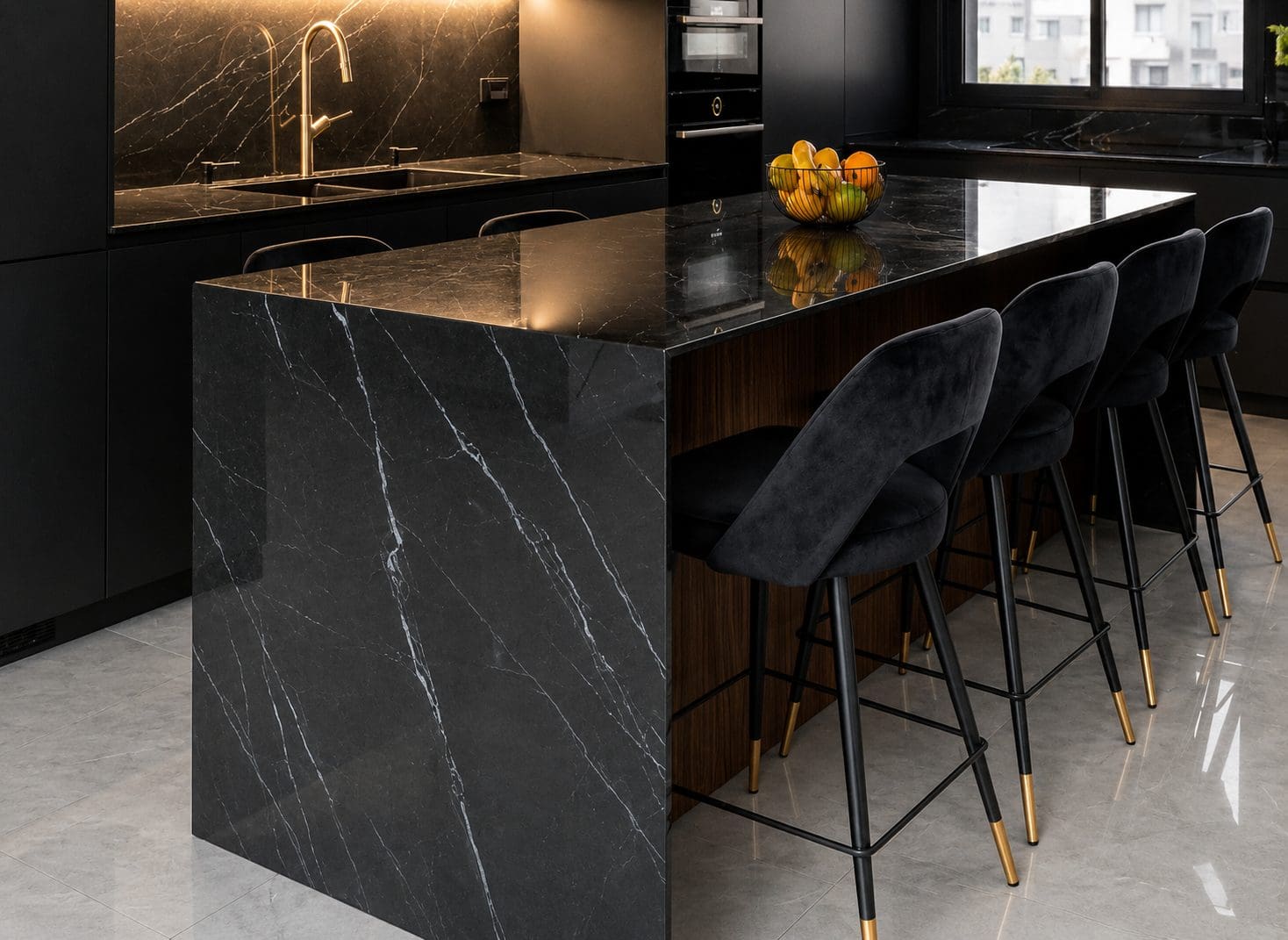
Yes. And if you’re drawn to the high-contrast, design-forward aesthetic that black countertops deliver, black porcelain specifically makes one of the strongest cases available. It combines the visual authority of dark stone with a performance profile that outpaces most natural alternatives in daily use. The question isn’t really whether it’s worth it, it’s whether it’s right for your space and your expectations.
Here’s what you need to know to answer that honestly.
What Makes Porcelain a Strong Countertop Material
Before getting into the specifics of black, it helps to understand why porcelain has earned its place as a serious countertop contender alongside natural stone and engineered quartz.
Modern large-format porcelain slabs are a different material entirely from the ceramic tile of earlier generations. Fired at extremely high temperatures from refined clay, porcelain reaches a hardness of 7 to 8 on the Mohs scale, harder than most granite and on par with quartzite. That hardness translates directly into scratch resistance that holds up to knives, cookware, and everyday kitchen demands without surface wear.
Porcelain is also fully non-porous. No sealing required, ever. Liquids, stains, and bacteria have nowhere to go. The surface resists the acidic etching that affects marble and travertine, and it handles harsh cleaning products without the surface degradation that natural stone seals or quartz resins can experience.
One of porcelain’s most underappreciated advantages is UV stability. Because it contains no synthetic resins, it doesn’t yellow or discolor under prolonged sun exposure, a real limitation of engineered quartz that makes it a poor choice for outdoor installations or sun-drenched spaces. Porcelain handles both without complaint.
For a full breakdown of how porcelain performs across categories, the porcelain countertops pros and cons guide covers the material in depth.
Why Black Specifically Makes Sense
Black countertops do something that lighter surfaces can’t: they anchor a space. A black porcelain countertop in a kitchen or bathroom creates an immediate visual weight that pulls the room together, gives cabinetry something to push against, and makes the overall design feel considered rather than assembled.
The high-contrast drama of a black surface against white cabinetry is one of the most enduring combinations in contemporary design. It’s bold without being trendy, which is exactly what a long-term investment in a countertop should be. Black also pairs exceptionally well with warm wood tones, unlacquered brass hardware, matte black fixtures, and natural materials like stone tile and linen, giving it a design range that lighter countertop options don’t always match.
There’s also a practical argument for black that doesn’t get enough attention: it hides everyday messes better than lighter surfaces. Crumbs, light dust, and minor spills that would be immediately visible on a white or cream countertop simply disappear into a dark surface. For high-use kitchens where perfect cleanliness between uses isn’t always realistic, that’s a genuine quality-of-life advantage.
Explore the range of black porcelain countertop color options to understand how much variety exists within the dark palette; from deep matte blacks to charcoal with metallic texture to dramatic marble-look patterns with bold white veining.
Setting Up Your Black Porcelain for Success
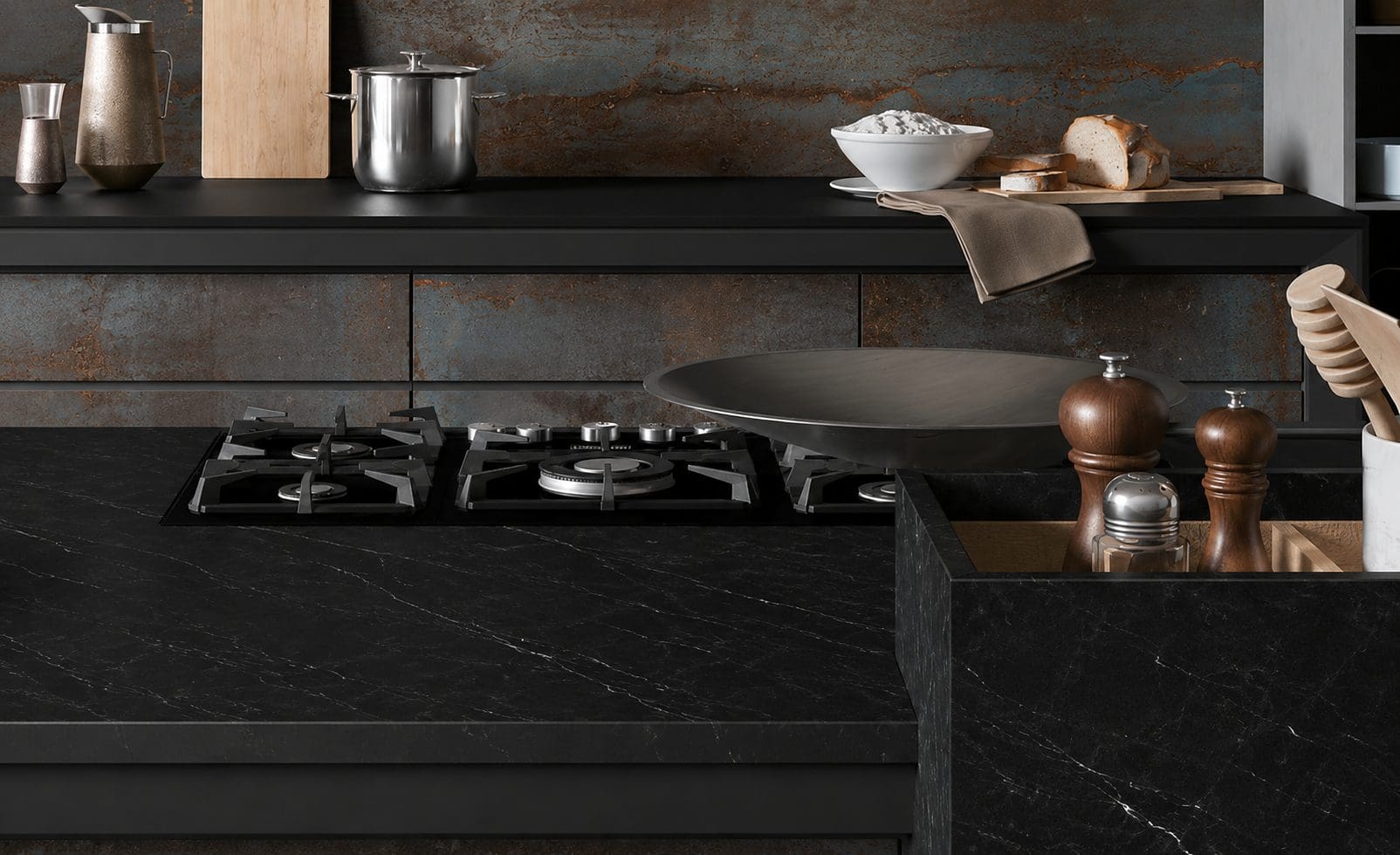
Black porcelain rewards the homeowner who approaches it thoughtfully. A few practical decisions made early in the process make a significant difference in how the surface performs and looks long term.
Choose your fabricator carefully. Porcelain requires diamond-tipped tools and a fabricator with specific experience in the material. Cutting and finishing it incorrectly is how chips and poor edge work happen. This isn’t a place to let budget be the deciding factor, the right fabricator makes or breaks a porcelain installation.
Keep edge profiles clean and simple. Simple, low-profile edges are more structurally resilient on porcelain than decorative ones. If a specific edge detail is central to your design, confirm its feasibility with your fabricator before finalizing your material selection.
Factor in your finish choice. A polished black surface has a deep, reflective quality that’s striking but shows fingerprints and smudging. A matte finish is more forgiving on that front but tends to highlight water spots and light dust. Neither is a dealbreaker, both just call for a quick daily wipe-down to stay looking their best.
Black Porcelain in the Real World
Black porcelain translates well across a range of spaces, and the reasons for choosing it shift slightly depending on where it’s being installed.
Kitchens
Black porcelain countertops in a kitchen create an immediate design statement, but they’re not just decorative. The material handles the full demands of kitchen use (heat, moisture, cutting, cleaning) with the kind of quiet confidence that natural stone can’t always offer. On a kitchen island, a dark porcelain slab with bold white veining functions as both the room’s focal point and its hardest-working surface.
Bathrooms
In a bathroom, black porcelain vanity countertops create a spa-like atmosphere that feels intentional and elevated. Paired with wall-mounted fixtures, a vessel sink, or warm wood cabinetry, a black porcelain countertop transforms a functional space into one that feels genuinely designed. The non-porous surface is particularly well-suited to wet environments where natural stone sealing demands are more consequential.
Outdoor Kitchens
Porcelain’s UV stability and non-porous composition make it one of the few countertop materials genuinely suited to outdoor applications. Black porcelain outdoor countertops hold their color and surface integrity in direct sun far better than engineered quartz, and the material handles temperature variation and moisture without degrading.
Black Porcelain Options at UMI Stone
At UMI Stone, we carry a curated selection of black and dark porcelain options through our Infinity Porcelain line. Here are three that exemplify what black porcelain can do at its best.
Nero Marquina
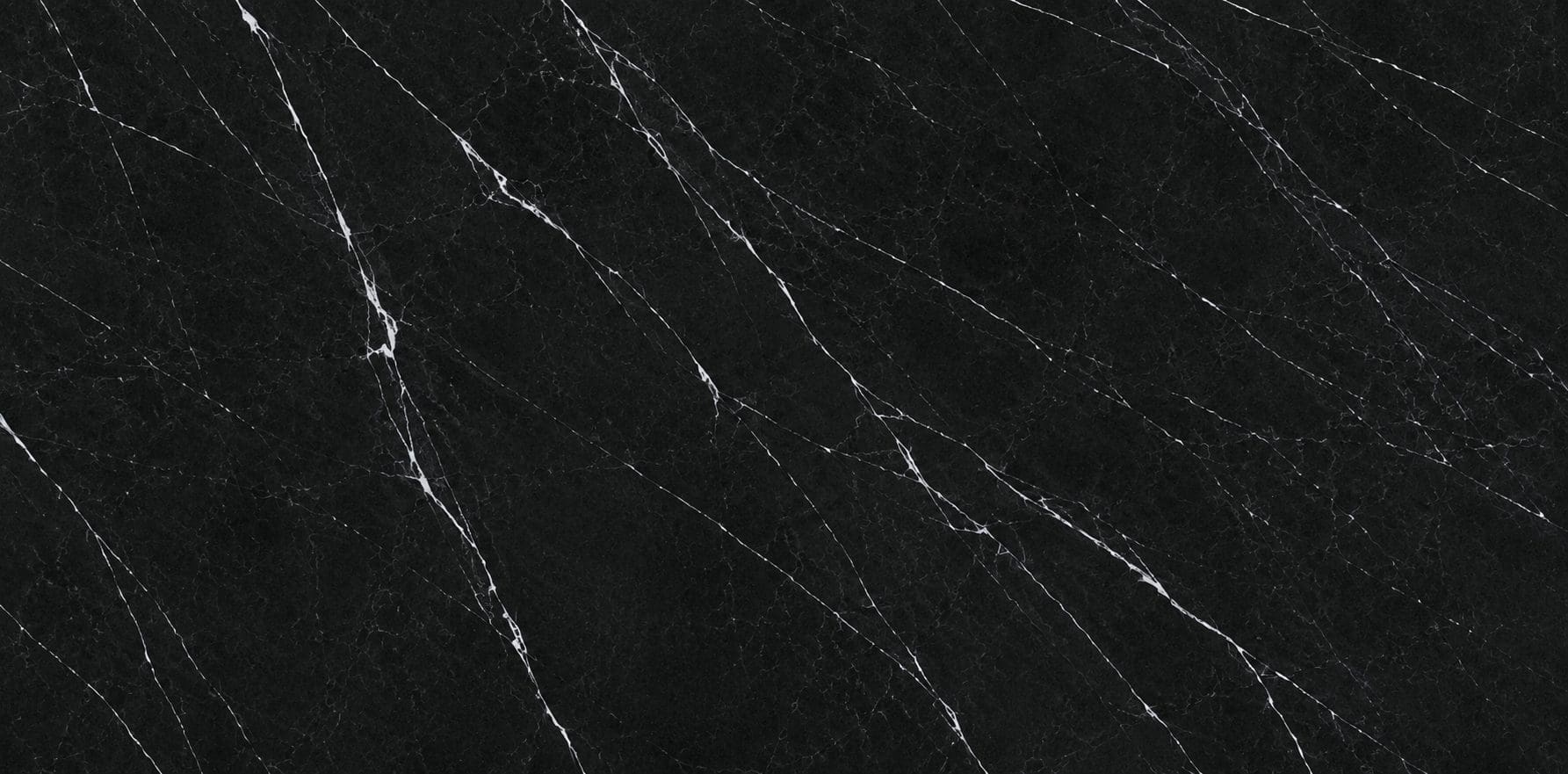
Nero Marquina is a porcelain interpretation of one of the most iconic black marbles in the world. A deep, intensely dark background is threaded with bright white veining that creates a visual contrast as striking as anything available in natural stone. It’s the kind of surface that turns a kitchen island into a room-defining moment. For homeowners who want maximum visual impact without the sealing demands and etch vulnerability of natural black marble, Nero Marquina porcelain is a compelling answer.
Andromeda
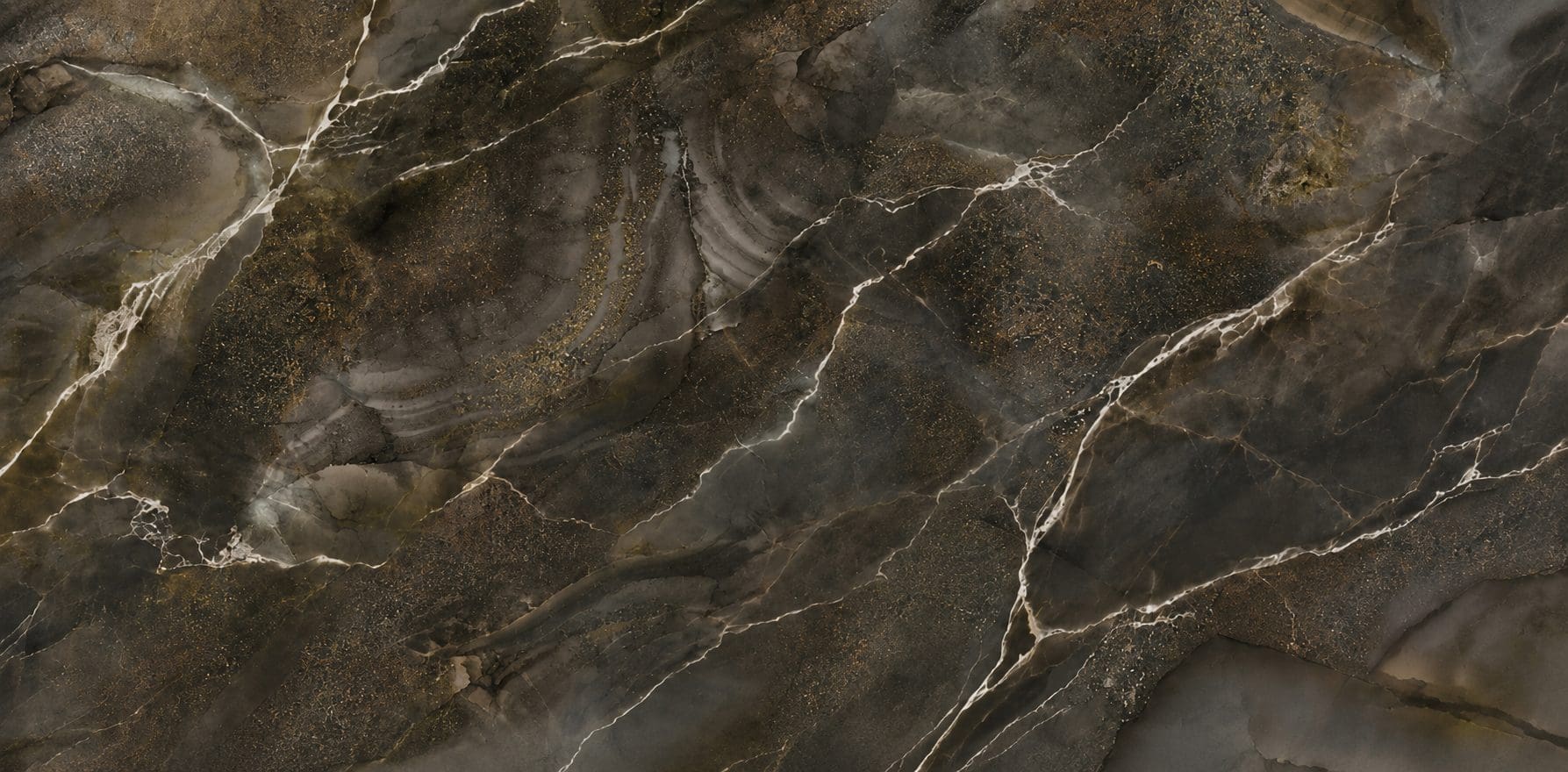
Andromeda brings a slightly softer interpretation to the dark palette, a black and charcoal base with dynamic white veining that has more movement and visual complexity than a solid black surface. The result is a countertop that reads as sophisticated and layered rather than stark, making it a strong fit for kitchens and bathrooms where bold contrast is the goal but a completely unadorned black feels too heavy.
Metal Dark
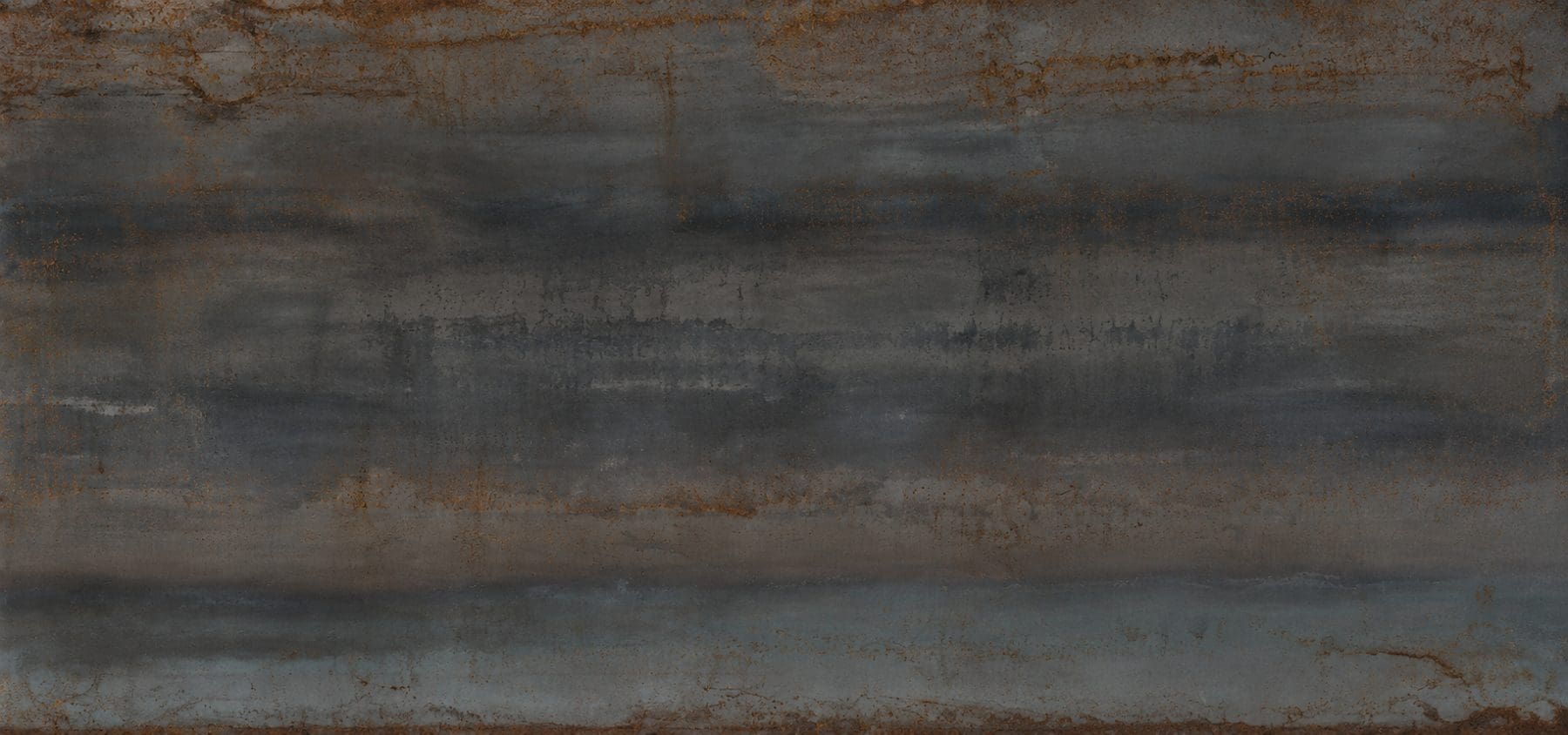
Metal Dark takes black porcelain in a different direction entirely. Rather than a marble-inspired look, it features a deep charcoal surface with a subtle metallic texture that gives it an industrial, architectural character unlike anything available in natural stone. Paired with concrete, steel, and matte black hardware in a contemporary kitchen or outdoor space, Metal Dark is genuinely distinctive.
Worth It? Yes, With the Right Expectations
Black porcelain countertops deliver on the investment when the conditions are right: a fabricator who knows the material, edge profiles selected for durability, and a daily maintenance habit that keeps the surface looking its best. The combination of hardness, non-porosity, heat resistance, and UV stability gives black porcelain a performance profile that justifies the cost, and the design impact it delivers is difficult to achieve with any other material at the same price point.
For homeowners ready to commit to a surface that makes a statement and backs it up with real-world performance, black porcelain is one of the strongest choices available today.
Explore the full Infinity Porcelain collection at UMI Stone, visit a showroom near you to see these surfaces at full scale, or contact us today to talk through your project with our team.

