
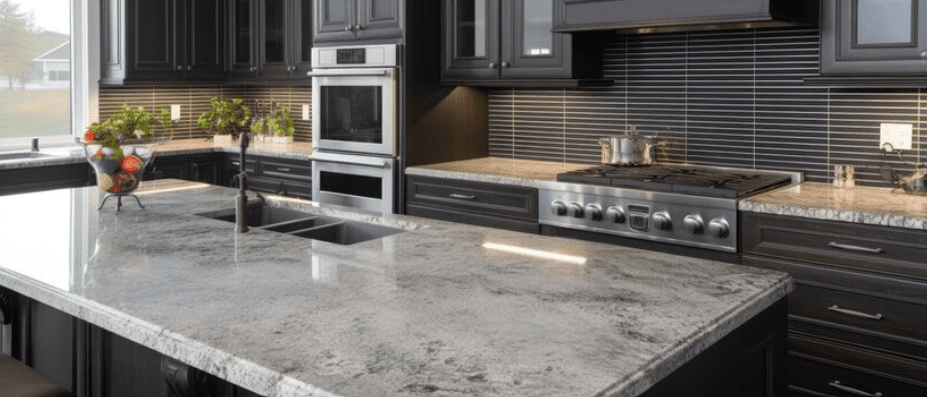
Shopping for countertops can feel like standing at a crossroads, especially when you’re staring at slabs of quartz and granite. At first glance, they might seem similar, but once you know what to look for, telling them apart becomes much easier.
If you’ve ever asked, “How can you tell the difference between quartz and granite?” – you’re in the right place. In this article, we’ll walk you through how to identify the differences based on appearance, composition, and maintenance requirements. We’ll also provide practical tips to help you determine which material best suits your home.
Why Knowing the Difference Between Quartz and Granite Matters
Understanding how to tell the difference between quartz and granite isn’t just trivia that you should memorize. It’s an important part of making a smart investment for your kitchen or bathroom. Each surface brings its own benefits, and knowing the pros and cons of granite and quartz countertops will help you choose one that suits your style, lifestyle, and cleaning preferences.
Plus, when you know how to tell if a countertop is quartz or granite, you can make informed decisions when remodeling, buying a home, or even inheriting someone else’s design choices.
Differences in Appearance: Start With What You See
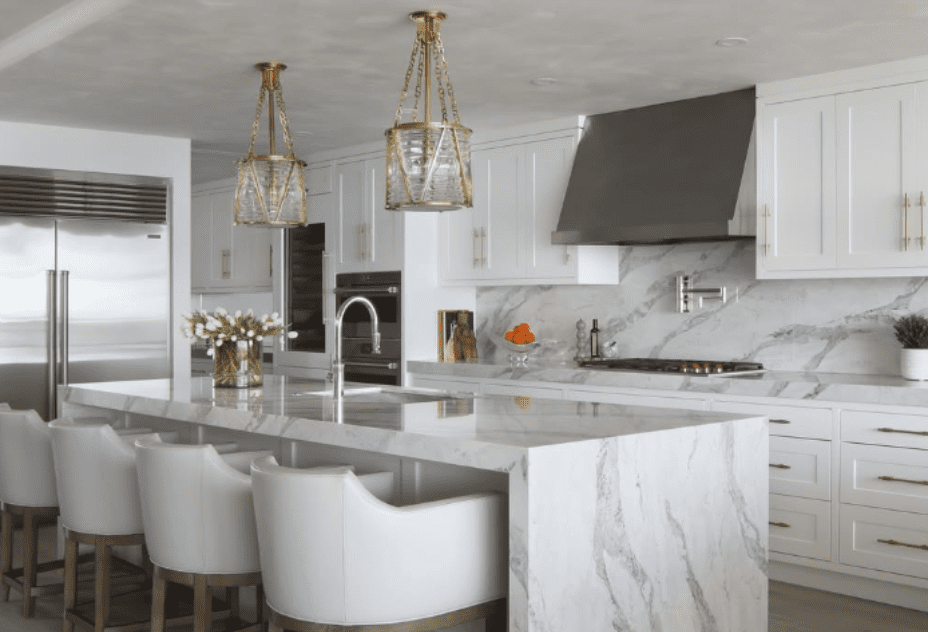
The most obvious difference? The way they look. If you’re wondering how to tell quartz from granite at a glance, pay attention to pattern and consistency.
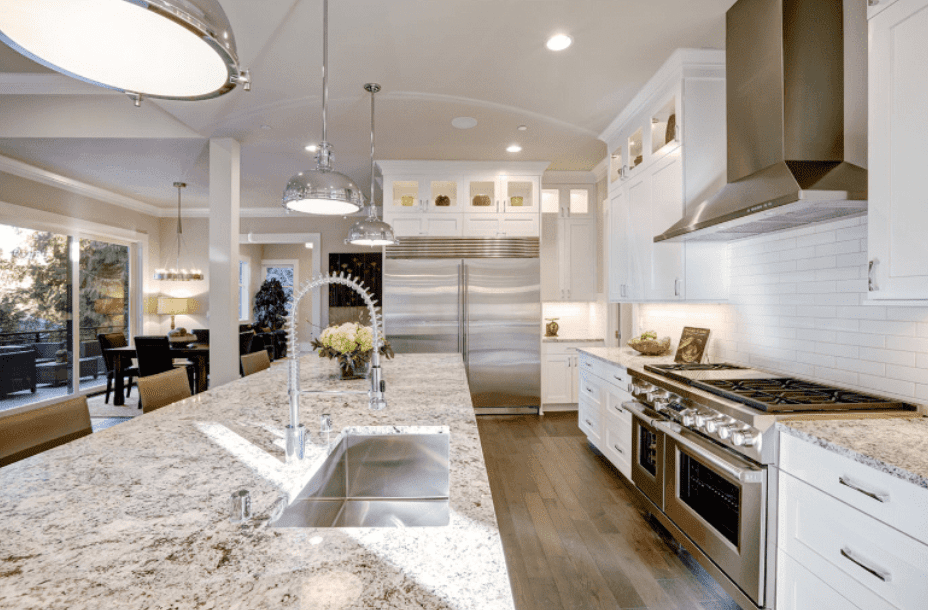
- Granite is a natural stone cut straight from the earth. That means it has real variation in its patterns, so no two slabs are alike. You’ll see mineral flecks, natural veining, and wild swirls that form organically.
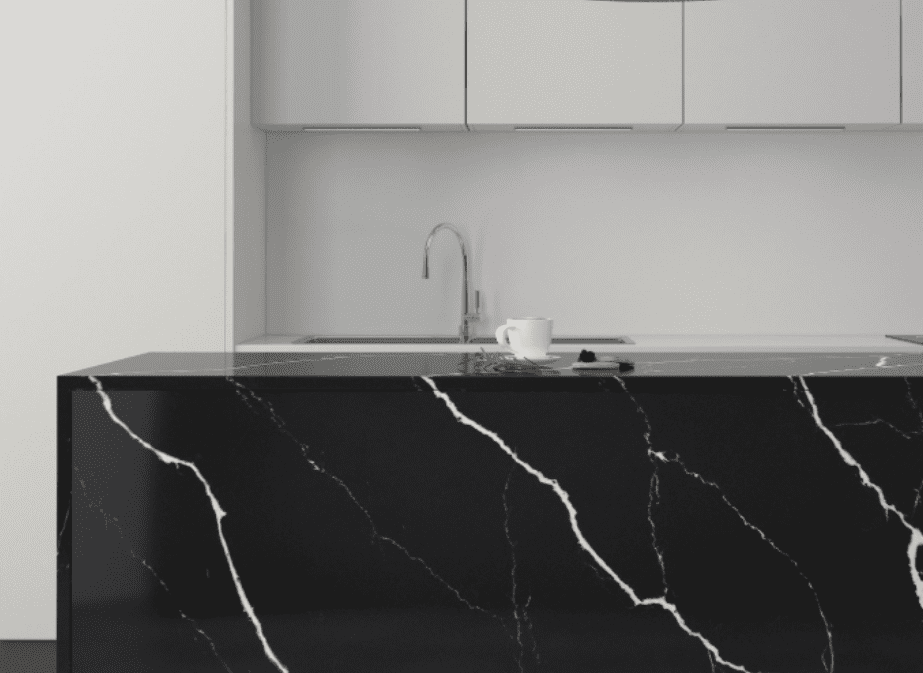
- Quartz, on the other hand, is engineered. That gives it a smooth, predictable look. The veining may mimic marble or granite, but it’s often more uniform and symmetrical.
8 Visual Clues to Tell Them Apart
If you’re still unsure how to tell if countertop is quartz or granite, these go-to features offer reliable visual cues:
- Pattern Variation: Granite has random, natural patterns that rarely repeat. Quartz often has a more deliberate, manufactured flow.
- Speckling and Movement: Granite usually includes small mineral flecks that glitter in the light. Quartz has smoother transitions and fewer mineral “interruptions.”
- Vein Style: In quartz, veining often looks linear and artfully placed. Granite veins twist and change direction organically.
- Edge Design: Quartz allows for crisp, custom edges that match modern aesthetics. Granite edges are often more rounded and follow the stone’s grain.
- Color Range: Granite comes in natural tones like browns, grays, blacks, and greens. Quartz can mimic those but also offers trendy hues like bright whites and blues.
- Finish Consistency: Quartz surfaces usually have a consistent polish or matte finish across the entire slab. Granite may have small pits or changes in sheen.
- Slab Matching: With quartz, every slab from the same line will match. Granite varies wildly, even within the same quarry.
- Underside Texture: Flip a sample. Quartz has a smoother underside with resin binders. Granite has a grainier back with a visible crystal structure.
What Are Granite and Quartz Made of?
One of the clearest ways to understand how to tell the difference between quartz and granite is by learning what they’re made of.
- Granite is a natural stone made up of quartz, feldspar, mica, and other minerals. It’s mined from the earth, cut into slabs, and polished.
- Quartz countertops are man-made. They’re composed of around 90% crushed quartz stone mixed with resin and pigments. That gives them durability and design flexibility that you won’t find in nature.
The Feel Test
Wondering how to tell if the countertop is quartz with just your hands? You can often feel the difference, especially on unfinished edges. Quartz feels smoother and cooler to the touch, thanks to the resin finish, while granite may have a slightly grainy or uneven texture, especially near imperfections or seams. Quartz is also less likely to have subtle dips or fissures that come with natural stone.
Maintenance Differences
Sometimes the best answer to how can you tell the difference between quartz and granite is by paying attention to how the countertop behaves over time.
- Porous Vs. Non-Porous: Quartz is non-porous, so it won’t absorb water or bacteria, which makes it virtually maintenance-free. Granite, on the other hand, is porous. It needs sealing every year or two to prevent stains and moisture damage.
- Spills: If a spilled drink darkens the surface or leaves a shadow, it’s probably granite. If it beads up or wipes away clean, it’s likely quartz.
- Cleaning Needs: Quartz works well with most household cleaners. Granite prefers mild, pH-balanced solutions to preserve its seal.
What About Marble?
If you’re also asking about the difference between marble granite and quartz, here’s the short version: Marble is another natural stone, but it’s softer, more porous, and more prone to staining. While it offers a gorgeous, elegant look, especially in bathrooms, it requires more care than granite or quartz. It’s often better for low-traffic areas unless you’re prepared for regular maintenance.
Still Not Sure? Let UMI Stone Help

Even when you know how to tell quartz from granite, choosing the right material for your home can still be tough. That’s where expert guidance can make all the difference.
At UMI Stone, we offer an extensive selection of both quartz and granite countertops, each carefully handpicked for its beauty and performance. Love the drama of natural granite or the sleek elegance of engineered quartz? Our team will guide you to the perfect choice with confidence. Contact us today to learn more!

