
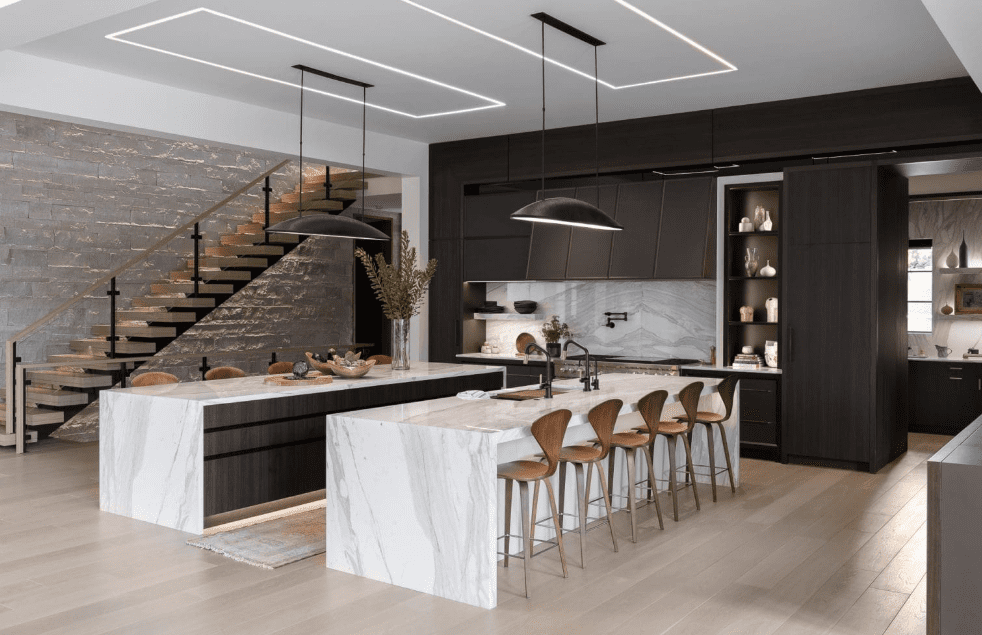
Some design choices feel permanent, not because trends haven’t moved on, but because the material itself is simply too beautiful to go out of style. White marble countertops are exactly that kind of choice. For centuries, marble has been the stone of choice for architects, artists, and homeowners who want spaces that feel elevated, refined, and genuinely timeless.
Today, white marble remains one of the most sought-after countertop materials available. Its luminous surface, distinctive veining, and ability to anchor virtually any kitchen design are qualities that no manufactured alternative has fully replicated. If you’re considering white marble for your kitchen, here’s what you need to know.
What Makes White Marble So Enduringly Appealing?
At its core, white marble is a metamorphic rock formed when limestone undergoes intense heat and pressure deep within the Earth. That geological process is what creates the sweeping veining patterns that make each slab completely unique. No two pieces of real marble look exactly alike, which means your countertop is genuinely one of a kind.
The visual effect of white marble in a kitchen is hard to overstate. The bright, reflective surface captures light and bounces it around the room, making spaces feel larger and more open. The natural veining adds movement and visual interest without introducing color that could compete with cabinetry, hardware, or other design elements. It’s a surface that does a great deal of visual work while remaining a graceful backdrop for everything else in the room.
There’s also the matter of prestige. Marble carries centuries of association with craftsmanship, luxury, and refined taste. Bringing it into a kitchen is a statement, not a loud one, but a lasting one.
Popular Varieties of White Marble
Not all white marble looks the same, and the variety available through premium stone distributors means there’s a version of white marble to suit almost any aesthetic.
Calacatta Marble

Calacatta is among the most coveted white marbles in the world. It features a bright white background with bold, dramatic veining in gold and gray. The contrast is striking and unmistakable, making it a natural focal point in any kitchen. Calacatta is particularly well-suited to kitchen islands and statement countertops where the full drama of the slab can be appreciated.
Danby Marble

Quarried in Vermont, Danby offers a softer, more understated look. Its creamy white background and subtle gray veining give it a quieter elegance that works beautifully in traditional, transitional, and Shaker-style kitchens. For homeowners who want the authenticity of marble without an overwhelming visual statement, Danby is a consistently beautiful choice.
Carrara Marble

A classic Italian stone quarried from the city of Carrara in Tuscany, this marble is renowned for its soft white background and delicate gray veining. It has been used for centuries in sculpture and architecture, from Michelangelo’s David to elegant European estates, making it one of the most iconic natural stones in the world. Its subtle patterning adds a refined, understated elegance that works beautifully in kitchens, bathrooms, and feature walls. While softer than some other stones, its natural beauty and historic prestige continue to make it a staple in luxury interiors.
Exploring the full range of marble countertop options is the best way to understand how different varieties perform in different spaces and lighting conditions.
Marble Finishes to Consider
The finish you choose affects not just how your countertop looks, but how it feels underfoot and how it performs over time. UMI Stone offers several popular marble finishes, each with its own character.
Honed Finish
A honed surface is smooth and matte, with no reflective sheen. It has a softer, more understated look than polished marble and tends to show fewer scratches and etching marks, making it a popular choice for homeowners who want the beauty of marble with a slightly more forgiving surface.
Leathered Finish
A leathered finish adds subtle texture to the stone’s surface, enhancing its natural character while reducing glare. It’s a distinctive choice that feels warm and tactile, and it works particularly well with marbles that have interesting movement and variation in their veining.
Polished Finish
The most classic option, a polished finish brings out the full depth of white marble’s color and veining with a glossy, reflective surface. It’s striking and luminous, and it’s what most people picture when they imagine a white marble kitchen. It does show etching and water spots more readily than other finishes, so it pairs best with attentive care.
How White Marble Works Across Kitchen Styles
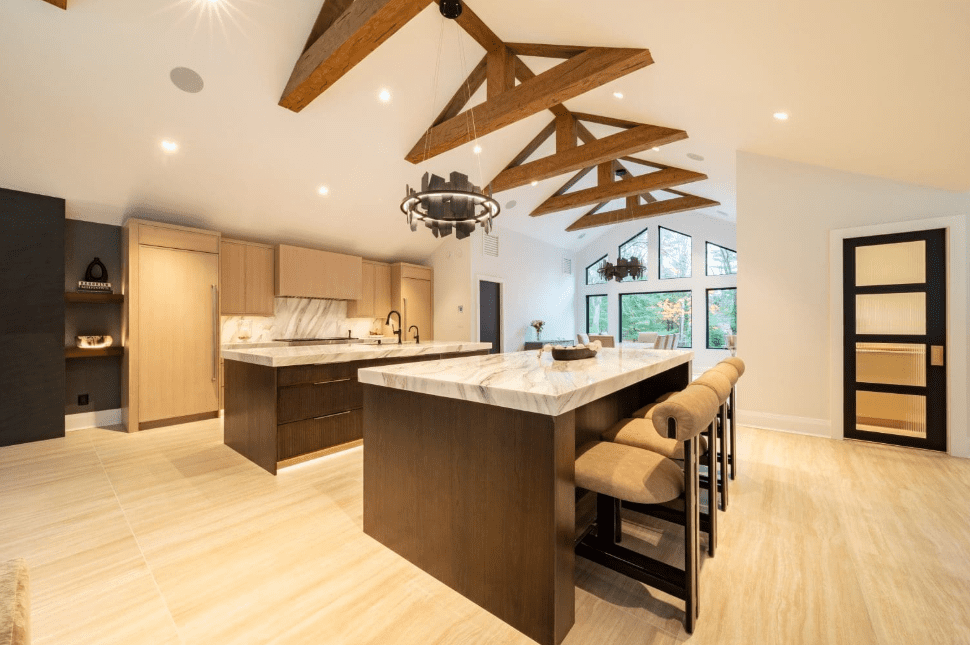
One of white marble’s most practical design qualities is its versatility. Unlike materials with a strong aesthetic identity, white marble adapts gracefully to a wide range of kitchen styles.
In Modern Kitchens: White marble pairs beautifully with flat-front cabinetry, integrated appliances, and minimal hardware. The stone’s natural movement adds the warmth and organic quality that purely minimalist kitchens can sometimes lack. A waterfall edge on an island is a particularly compelling detail in a modern setting.
In Traditional Kitchens: Marble has always felt at home in traditional spaces. Paired with raised-panel cabinetry, crown molding, and classic hardware finishes like polished nickel or antique brass, white marble countertops reinforce the timeless character of the room without competing for attention.
In Transitional Kitchens: For kitchens that blend classic and contemporary elements, white marble is an ideal choice precisely because it belongs to both worlds. It bridges the gap between old and new with ease, lending sophistication to spaces that might otherwise feel caught between design directions.
As a Marble Island Countertop: Using white marble exclusively on a kitchen island is a popular approach for homeowners who want the beauty of the stone with more manageable maintenance. The island becomes a natural focal point, and the surrounding perimeter can be finished in a complementary material for contrast and practicality.
For a dramatic counterpoint, pairing white marble surfaces with dark cabinetry or darker stone accents creates a black and white marble effect that feels both bold and sophisticated.
Design Details Worth Considering
Beyond the countertop surface itself, white marble opens up several compelling design directions worth thinking through.
A marble kitchen backsplash that coordinates with the countertop creates a cohesive, intentional look that reads as genuinely designed rather than assembled. Whether you match the marble exactly or select a complementary variety, the effect of carrying the stone up the wall is striking.
Edge profiles also matter more than many homeowners expect. A simple eased or straight edge keeps things modern and clean. A beveled or ogee edge adds traditional detail. A mitered waterfall edge, where the slab wraps continuously down the side of an island, showcases the stone’s veining and pattern in a way that no other detail can.
Lighting plays a significant role in how white marble reads in a finished kitchen. Natural light brings out the stone’s depth and the warmth in its veining. Under-cabinet lighting in the evening highlights the surface’s texture and movement in a completely different but equally beautiful way.
What to Know About White Marble Countertop Maintenance
White marble countertops reward attentive care, and it’s worth being clear-eyed about what that means in practice. Understanding the pros and cons of marble countertops before you install is the best way to set yourself up for long-term satisfaction.
Marble is a porous, calcium-based stone, which means it can absorb liquids and is vulnerable to etching from acidic substances like lemon juice, vinegar, and wine. On white marble specifically, staining and etching are more visible than on darker stones, so spills should be blotted promptly and acidic materials kept away from the surface.
Sealing upon installation and resealing every one to two years provides meaningful protection, though it doesn’t render marble completely impervious. For daily cleaning, a pH-neutral cleaner or mild dish soap and warm water are all you need. Avoid abrasive sponges and any cleaners that contain acid or bleach.
For deeper context on how marble countertop durability holds up over years of real use, it helps to understand that many homeowners come to embrace the natural patina that develops over time. Fine scratches and subtle etching can soften into a honed-like finish that many find even more beautiful than the original polished surface.
Is White Marble Right for Your Kitchen?
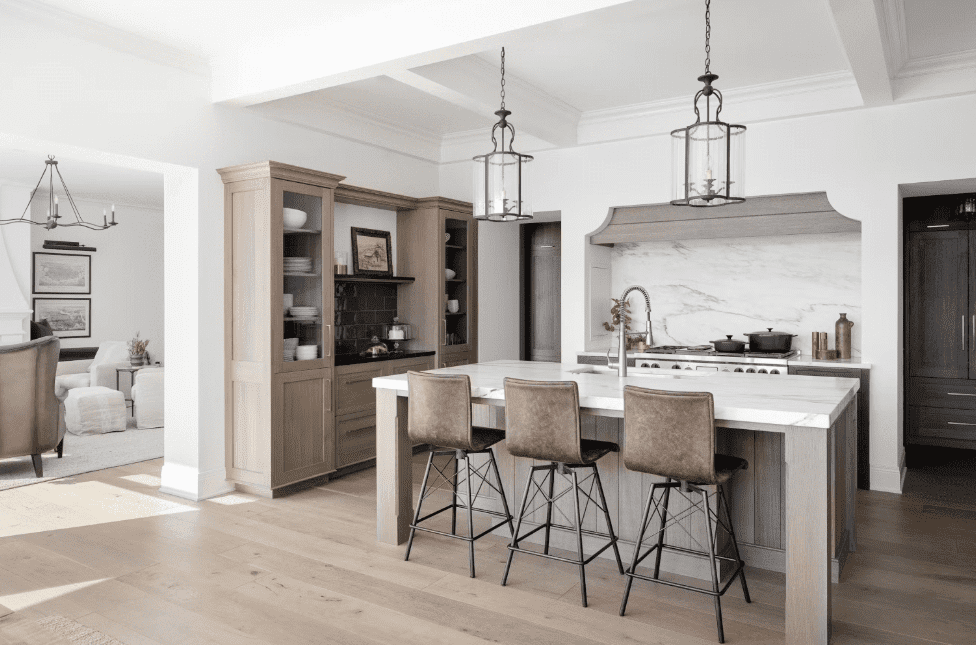
White marble countertops are one of the most rewarding choices a homeowner can make, and one of the most honest ones. The material asks something of you in return for its beauty: a willingness to care for it thoughtfully and an appreciation for a surface that tells the story of how it’s been used.
If you cook frequently with acidic ingredients, have young children, or simply prefer a surface that requires no thought at all to maintain, another material may serve your daily life better. But if you value authenticity, natural beauty, and the kind of elegance that only improves with age, white marble is difficult to surpass.
Explore White Marble at UMI Stone
At UMI Stone, we carry a carefully curated selection of premium white marble in a range of varieties, finishes, and slab sizes. Seeing these stones in person, the way light moves across the surface, the scale of the veining, the depth of the white, is an experience that samples and photographs simply can’t replicate. Visit a showroom near you or contact us today to explore what white marble could do for your kitchen.

