
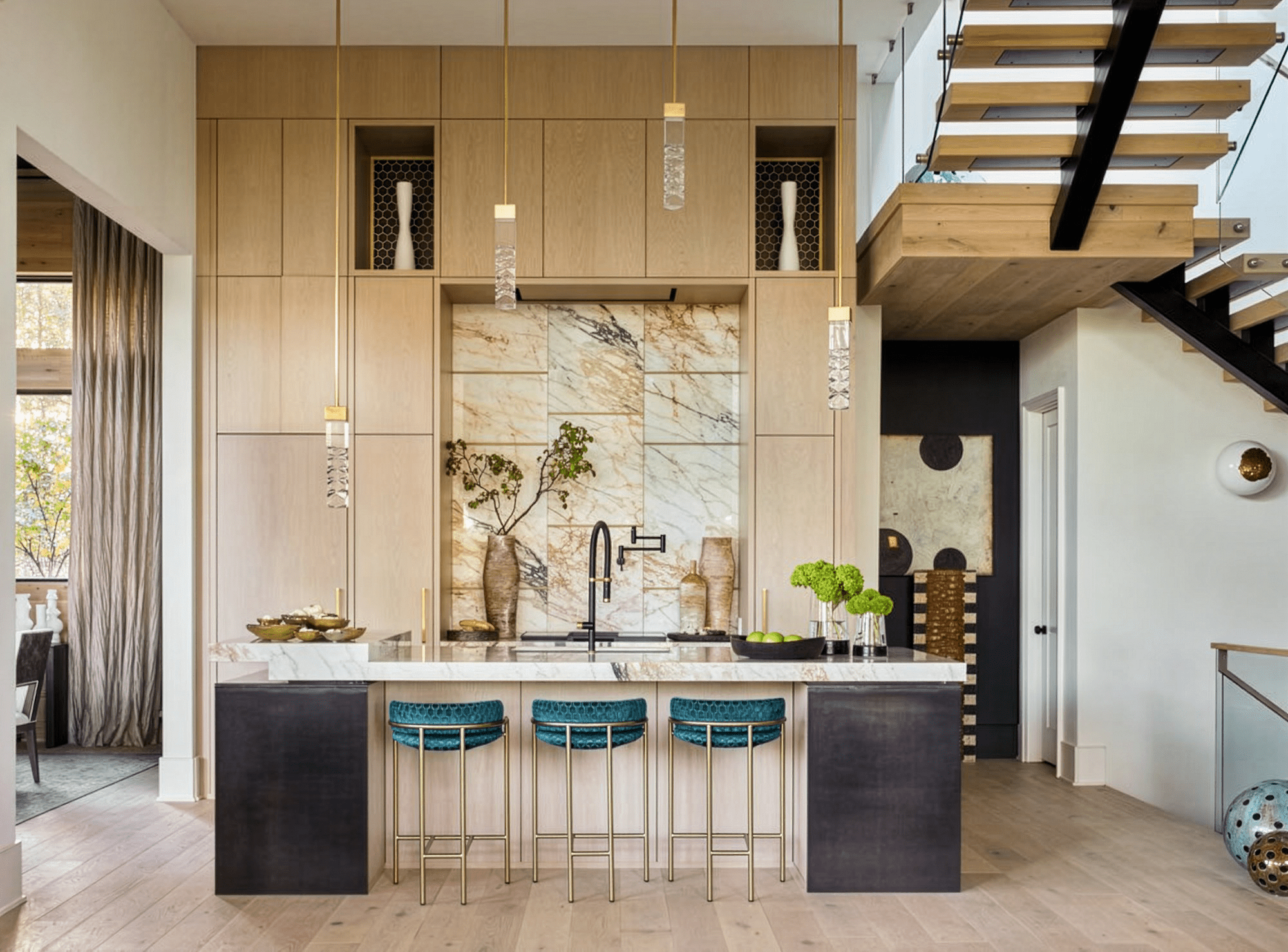
Marble slabs form naturally over millions of years, and each one looks completely different from the next, giving you material with true character. In this guide, we’ll give you everything you need to understand what sets marble apart, how it forms, how it behaves in daily use, how to take care of it, and what you should expect when choosing it for your home.
What Real Marble Actually Is and How It’s Made
You can think of real marble as limestone that has undergone a dramatic natural makeover. As the earth shifts and compresses layers of sediment, the limestone recrystallizes into dense, polished stone. Mineral impurities inside the original rock, like iron, clay, or sand, create the distinctive veining that homeowners love.
This process reorganizes the minerals into a crystalline structure, giving marble its soft glow and signature veining. This means every slab of real marble has its own fingerprint, something no factory-made material can imitate.
Common Uses for Real Marble
Homeowners often use real marble in kitchens for countertops, islands, or backsplashes. You commonly see them in bathrooms on vanities, shower walls, flooring, and tub surrounds. Many homeowners also use marble for fireplace surrounds or accent walls because of its warmth and visual impact.
The Benefits of Real Marble
There are many reasons why homeowners gravitate toward real marble. Here are the top reasons to choose real marble for your home:
- Timeless Aesthetic: Real marble gives your home a look that never goes out of style. Its dramatic veining offers a visual depth that only natural stone can provide.
- Heat Resistance: Marble handles heat well, making it ideal for kitchens and bathrooms. While you still want to avoid direct heat on the surface, you’ll find it more resilient than many engineered materials.
- High-End Appeal: When buyers walk into a home, they immediately notice marble features.
- Cool Surface Temperature: Marble naturally stays cool to the touch, which makes it wonderful in warm climates or baking-focused kitchens.
- Design Versatility: Whether you want something bold or subtle, marble gives you endless vein patterns, shades, and finishes to choose from.
The Potential Drawbacks of Real Marble
While real marble offers incredible beauty, it comes with responsibilities you should understand before committing. These drawbacks don’t diminish its charm, but they might help you plan for proper care.
- Porosity: Marble absorbs liquids, especially when left unsealed, so you’ll want to protect it with sealing and reseal it regularly.
- Etching: Acidic substances can leave faint marks on the surface, which is common with all true marble.
- Scratching: Marble is softer than granite or quartz, meaning it can be scratched if you don’t use cutting boards or drag heavy items across it.
- Maintenance Needs: Real marble thrives with a small amount of ongoing care, including regular sealing and pH-neutral cleaners.
- Cost: Because marble is a natural, premium material, it often costs more than synthetic look-alikes.
How Can You Tell if Marble is Real?
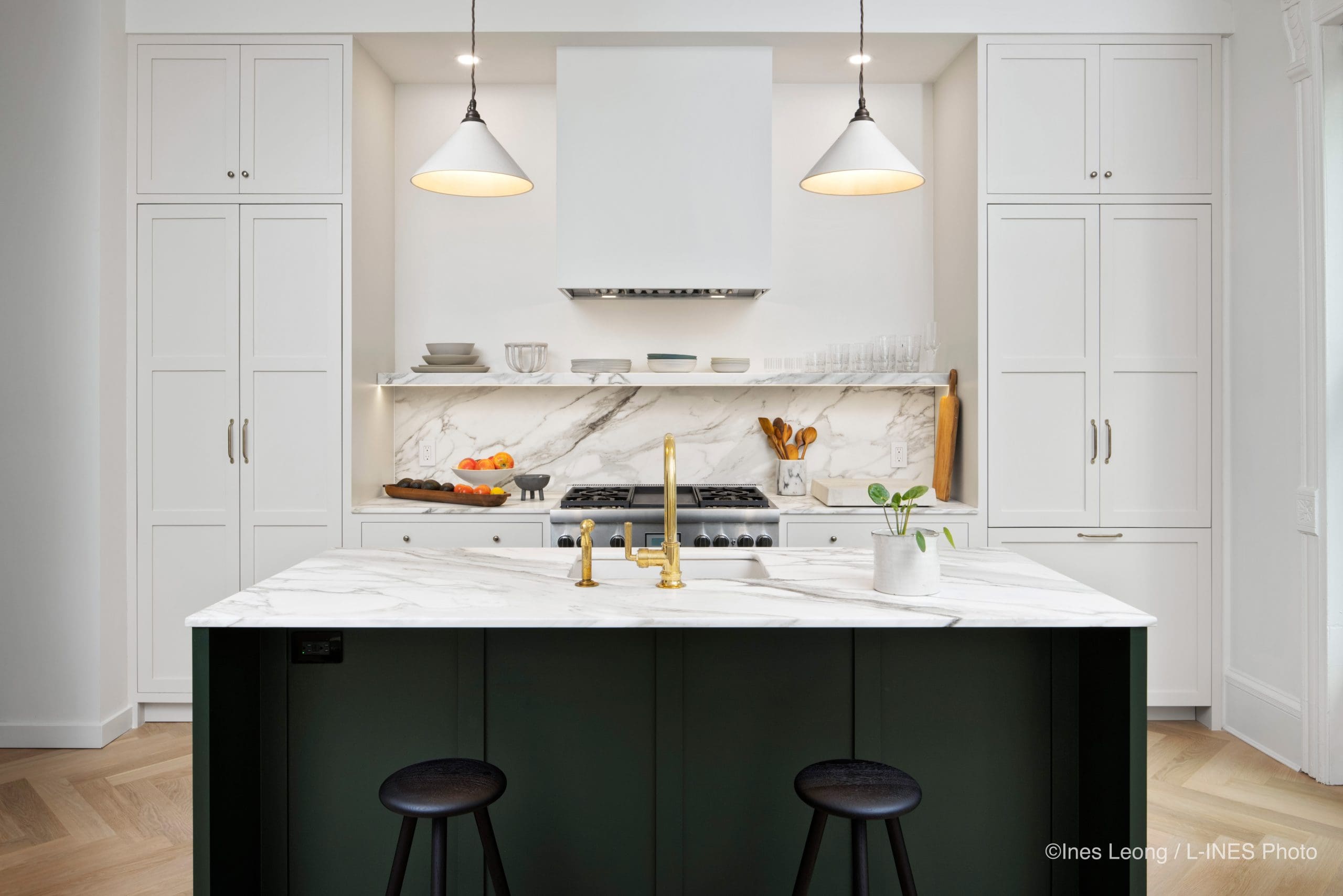
©Ines Leong /Modern kitchen with marble-look quartz countertops, full-height backsplash, white cabinetry, and a green island with brass faucet.
You may find yourself wondering, “How can you tell if marble is real?” or “How can you tell real marble apart from imitation materials?” Well, one of the easiest ways to know is by checking the temperature. Real marble feels cool even in warm rooms. You can also look at the veining, which varies irregularly in natural stone but appears more uniform on manufactured surfaces.
If you’re ever in doubt, reach out to an expert for an appraisal!
Real Marble vs. Marble Look-Alikes
It’s easy to confuse real marble with materials designed to resemble it, such as quartz or porcelain. Imitations often do a great job capturing the visual pattern, but they lack the depth and organic movement that come from naturally formed stone. You also lose the subtle fluorescence and crystalline glow that marble develops through metamorphism.
If you want true individuality and natural character, real marble will give you what engineered options cannot. And when you work with a company like UMI Stone, you get the best options on the market!
How to Assess the Quality of Marble
Choosing marble is about more than just finding a beautiful slab, it’s about ensuring lasting performance and satisfaction. Evaluating quality can help you select marble that not only looks stunning but also stands the test of time in your home or project. Here are the key factors to consider when assessing marble quality:
Color Consistency and Uniformity
High-quality marble displays a harmonious color palette across slabs or tiles. While natural variation is expected and even celebrated, excessive inconsistency or mismatched pieces can indicate lower quality or poor selection. Look for tiles or slabs that complement each other in tone and pattern, especially if they’ll be installed side by side.
Structural Integrity: Cracks, Fissures, and Reinforcement
Inspect each piece for visible cracks, splits, or repaired areas. Occasional small fissures are natural, but widespread or deep cracks can compromise the stone’s strength. Some lower-grade marble may be reinforced with mesh or filled with resins on the back, these are signs the stone is more fragile. Ideally, high-quality marble should feel solid and require little to no visible reinforcement.
Calibration and Sizing
Uniform thickness and precise cutting are hallmarks of premium marble. Well-calibrated tiles or slabs ensure an easy installation with tight, even grout lines. Irregular sizing or trapezoidal shapes can lead to uneven surfaces and installation challenges, so always check that each piece matches in size and thickness.
Chips, Splits, and Replaced Tiles
Examine all sides and edges for chips, splits, or repairs. If more than a small percentage of tiles show damage or have been patched with fillers, this may signal a brittle or lower-quality batch. Dull spots or color mismatches can reveal areas where fillers were used, these may wear away over time, leaving visible gaps or blemishes.
Quick Quality Checklist
For a confident selection, use this checklist when evaluating marble:
- Is the color consistent across all pieces?
- Are there minimal cracks, fissures, or repairs?
- Do all tiles or slabs match in size and thickness?
- Are the edges straight and free of chips?
- Is there little to no mesh or resin reinforcement on the back?
- Are the surfaces free from excessive dull spots or patches?
By taking these steps, you’ll ensure you’re choosing marble that’s as durable and reliable as it is beautiful, ready to elevate your space for years to come.
At UMI, our team applies these same quality checks before marble ever reaches our showrooms. Each slab is evaluated for consistency, structural integrity, sizing, and finish, so our customers can shop with confidence knowing the selection has already been carefully reviewed.
5 Tips to Help You Care for Your Real Marble Surfaces
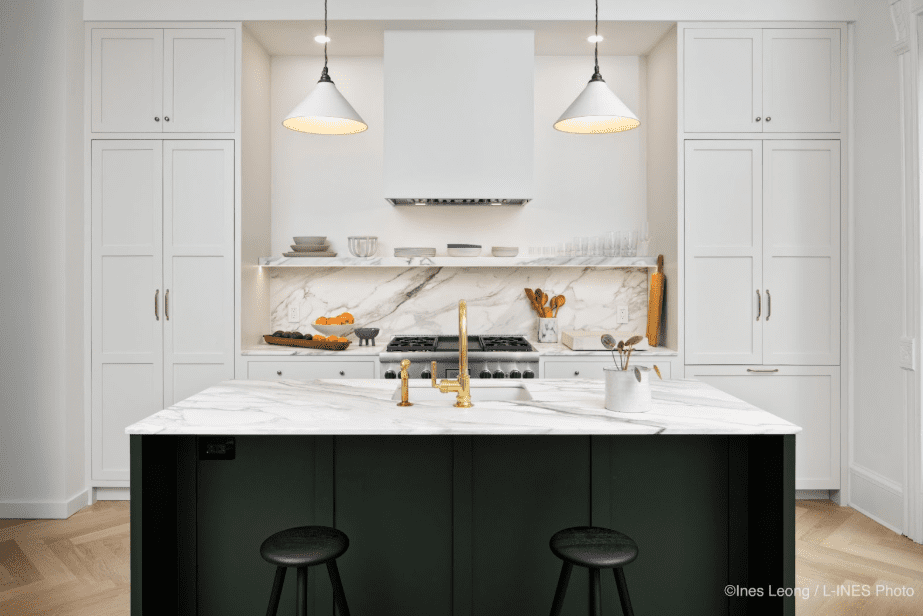
If you commit to marble, the right care routine can keep it looking luxurious for decades. Use the following tips to maintain both polished and honed finishes with ease:
- Seal Regularly: Sealing helps prevent staining from oils and liquids. Most homeowners reseal once or twice per year, depending on usage.
- Use pH-Neutral Cleaners: Acidic or abrasive products can damage marble’s surface over time. That’s why we recommend using gentle, stone-safe cleaners to maintain clarity and shine.
- Avoid Abrasive Tools: Soft cloths and non-scratch sponges are your friends, so use those exclusively. Avoid steel wool or rough pads that can leave visible marks behind in softer stones.
- Wipe Spills Quickly: Acting fast can help prevent staining and etching, especially with wine, citrus, and coffee. Good habits go a long way in preserving your stone surfaces.
- Use Protection in High-Traffic Areas: Coasters, trivets, and mats can help reduce daily wear and tear, which can make your marble look luxurious and new for years to come.
Choosing the Right Marble with UMI Stone
At UMI Stone, we offer a wide range of marble real colors, vein patterns, and surface finishes sourced from quarries around the world. And since we have showrooms across the country, you can see each slab in person to understand its unique movement and personality.
Real marble gives your home a sense of beauty and craftsmanship you won’t find anywhere else. Contact us today to learn more!

